The EU Blinks on Methane: When Energy Security Retract Climate Rules
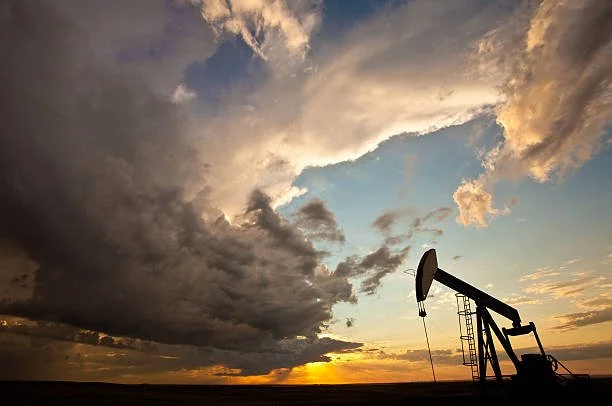
Pictured: A pumpjack on the prairie | Source: iStock by Getty Images
The EU's methane regulation was one of the most significant pieces of climate legislation the bloc had passed in years. Approved in May 2024, it required fossil fuel importers to meet strict monitoring, reporting, and verification standards for methane emissions, with fines of up to 20% of annual turnover for non-compliance. By 2030, penalties were to be levied on imports above a methane-intensity threshold. In the context of global emissions reductions, it mattered: methane is over 80 times more potent than CO2 over a 20-year horizon.
Then the Middle East war happened. Global LNG markets tightened, EU energy prices rose sharply, and the political calculus changed overnight. On 9 April 2026, the European Commission confirmed it would introduce 'flexibilities' to the methane rules, ensuring that penalties for non-compliance do not 'constitute a problem for security of supply.' All 27 member states are reported to support the change. The revision allows countries exporting to the EU to demonstrate that a sufficient share of their national production meets standards rather than tracking every individual cargo to source.
Why the Rollout Matters
Only about 7% of global oil and gas production currently meets voluntary methane reporting standards at the level the original rules required, according to Wood Mackenzie. If the EU had enforced the regulation as written, it would have struggled to find enough compliant supply, particularly at a time of already-tight markets. Ditte Juul Jorgensen, the European Commission's Director General for Energy, was explicit: the changes would give the Commission 'the assurance that fines are proportionate and that they don't constitute a problem for security of supply.' The US ambassador to the EU, Andrew Puzder, welcomed the move, framing it as essential to keeping American LNG flowing into Europe.
Industry lobby Eurogas wants more: it is calling for a full 'stop-the-clock' suspension of the rules, not merely a softening of penalties. Legal compliance teams, it notes, need something concrete before they can act.
The Other Side of the Argument
The Environmental Defense Fund has pushed back hard, arguing the 'supply at risk' narrative is overblown. Market analysis from Rystad suggests that by 2027, global gas volumes capable of meeting the original standards will already exceed EU demand meaning Europe could have maintained the rules without supply disruption. The EDF argues that relaxing the rules in a crisis sets a dangerous precedent: every future energy shock will be used as justification for weakening climate legislation, and the methane that escapes in the meantime will have real, lasting consequences for global warming.
Implications for Sustainable Finance
For asset managers and green bond investors, the EU methane relaxation is a stress test for climate commitments. If a regulation this significant can be softened within two years of passing, the credibility of the EU's broader transition policy framework comes into question. For the ESG ratings community, the episode illustrates exactly the kind of political transition risk that the ISSB S1 and S2 frameworks are designed to capture, regulatory policy is not stable, and portfolio construction needs to account for rollback risk alongside the physical risk of climate change itself.
The methane rule relaxation creates concrete legal consequences that run downstream through commercial contracts. LNG supply agreements entered since 2024 that included methane compliance representations, specifically those structured around EU methane regulation equivalence may now be subject to renegotiation or dispute. The effect of the Commission's flexibilities on those contractual terms is not automatically clear. Legal teams should review the specific drafting of any methane-related warranty or condition precedent in long-term energy supply contracts signed in the last 18 months.