
Bank of England Holds at 3.75% - The Iran Shock Changes Everything
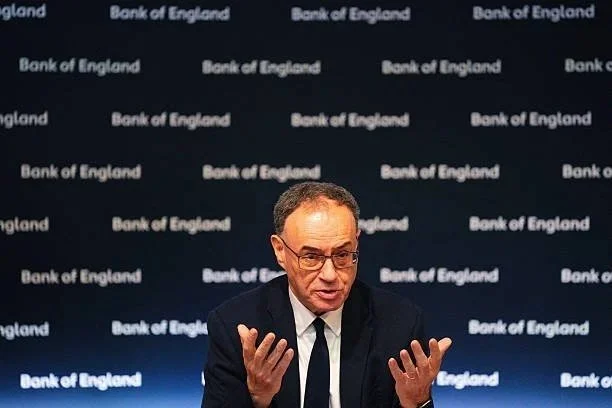
Pictured: Andrew Bailey | Source: Getty Images
At the start of 2026, the trajectory looked clear. Bank Rate stood at 3.75% after a fourth successive cut in December 2025, inflation was falling toward the 2% target, and markets were pricing in two or three more reductions through the year. Then the Middle East war broke out, and the script was torn up.
The Bank of England held rates at its March 2026 Monetary Policy Committee meeting, reversing market expectations of a cut that had been building since late 2025. The MPC's minutes made the new reality plain: inflation, on track to hit 2% by spring, is now expected to reach 3.5% as the Strait of Hormuz disruption feeds into energy prices, supply chains, and ultimately the CPI basket. A 20% increase in the Ofgem energy price cap is pencilled in for July 2026.
"We expected inflation to fall to about 2% from April. But it is very difficult to predict how the economy will evolve. We said another global shock could change the situation significantly and that may prove to be true." - Bank of England, April 2026
Rate Cut or Rate Hike? The Market Debate
In one of the more remarkable reversals in recent memory, swap markets swung from pricing two rate cuts by year-end to pricing in up to three potential hikes, all within the space of a month. By mid-April, around 90% of economists surveyed by Reuters expect the Bank to hold its 30 April MPC meeting. The National Institute of Economic and Social Research has warned that if energy prices stay elevated for a year, Bank Rate could reach 4.5%, levels not seen since 2023. Oxford Economics expects a hold through 2026 and into 2027.
For mortgage markets, the impact is already visible. Two-year fixed rates jumped from 4.24% to over 4.51% in a single week in late March. Rightmove's tracker saw multiple sub-4% deals withdrawn overnight. The Bank of England's own Financial Stability Committee estimates that 1.3 million additional UK households now face mortgage payment increases by 2028 compared to pre-conflict forecasts, bringing the total to 5.2 million.
Implications for Regulated Financial Firms
For banks and building societies, the rate-hold environment creates a complex outlook. Net interest margins, which benefit from the spread between deposit rates and lending rates, may face pressure if the Bank eventually cuts while retail funding costs remain sticky. The FPC's April 2026 record flagged that while the UK banking system remains appropriately capitalised and there is no evidence of credit restriction, the combination of energy cost shocks, lower growth, and higher mortgage refinancing risk is tightening conditions for leveraged borrowers, particularly in private credit markets.
For the FCA, the message is about Consumer Duty. The regulator has consistently emphasised that firms must support customers in financial difficulty and ensure fair value and a period of rising energy costs, higher mortgage repayments, and subdued growth creates exactly the conditions in which those obligations become most acute. Any firm whose Customer vulnerability and hardship frameworks are not ready for a renewed cost-of-living squeeze may find itself on the receiving end of supervisory attention before the year is out.