The Under-16 Social Media Ban: Britain’s Growing Appetite for Australia’s Experiment
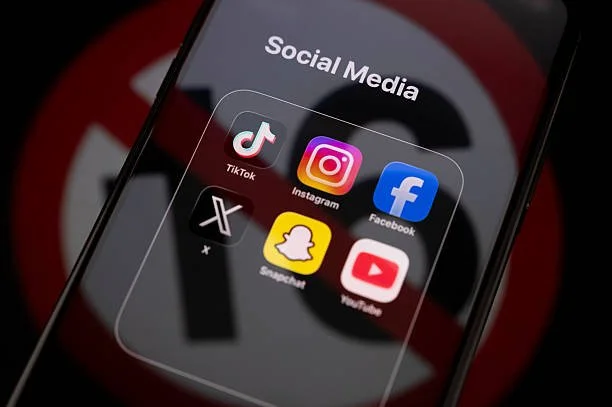
Pictured: Phone with social media apps | Source: Getty Images
On 10 December 2025, Australia became the first country in the world to ban children under 16 from social media. By February 2026, platforms had terminated or restricted 4.7 million accounts. By late March, the Australian eSafety Commissioner had launched enforcement investigations into Facebook, Instagram, Snapchat, TikTok, and YouTube for non-compliance, teens were still finding ways through, using VPNs, alternate platforms, and gaming the age verification systems. It was messy, imperfect, and politically popular anyway. And now the UK is watching.
On 2 March 2026, the UK government opened a consultation called 'Growing Up in the Online World', explicitly seeking views on whether a social media ban for under-16s should be introduced. The consultation closes 26 May 2026. Meanwhile, the Children's Wellbeing and Schools Bill has been ping-ponging between the Lords and Commons on exactly this question: Lord Nash's amendment to introduce a ban was passed in the Lords by 266 to 141 votes on 25 March; the Commons defeated it; as of mid-April the bill is still bouncing.
The Case For
The evidence base for harm is substantial. Research links heavy social media use particularly among teenage girls, to depression, anxiety, eating disorders, and self-harm. Australia's study found that 96% of children aged 10-15 used social media, and 70% had encountered harmful content. The parents of Brianna Ghey, the 16-year-old murdered in 2023 after being groomed online, have written directly to the Prime Minister supporting a ban. More than 65 leading UK climate and health scientists signed an open letter on the issue. The Conservatives under Kemi Badenoch have adopted it as party policy. Even Labour MPs, over 60 of them have written to Starmer in support.
The Case Against
Critics, including LSE Professor Sonia Livingstone and Oxford Internet Institute's Dr Victoria Nash, argue that a ban is a blunt instrument that may push children toward less regulated corners of the internet rather than off it entirely. Reddit's legal challenge in Australia argues the ban infringes on young people's right to political speech. Amnesty International has called it an 'ineffective quick fix.' UNICEF Australia noted the positive aspects of social media for young people, community, connection, education. The practical reality in Australia is sobering: compliance is incomplete, age verification is being gamed, and we don't yet know whether mental health outcomes are improving.
Six EU nations have formed a coalition to coordinate bans across Europe. France has passed a ban for under-15s, targeting full operation by September 2026. The global momentum is real even if the evidence base for effectiveness is still incomplete.
What it Means for Regulated Tech and Financial Firms
For financial services firms, the relevance is twofold. First, financial promotions: the Online Safety Act 2023 already imposes obligations on platforms to restrict harmful financial promotion content, a ban that tightens age verification across all social media will increase the friction that financial firms face in targeting younger demographic groups. Second, the direction of travel is clear for fintechs and digital banks that rely on social media for customer acquisition: the regulatory environment around under-16 digital engagement is tightening globally, and product design and marketing strategies need to reflect that now, not after legislation passes.